IN THE SOIL
Nitrogen from the air
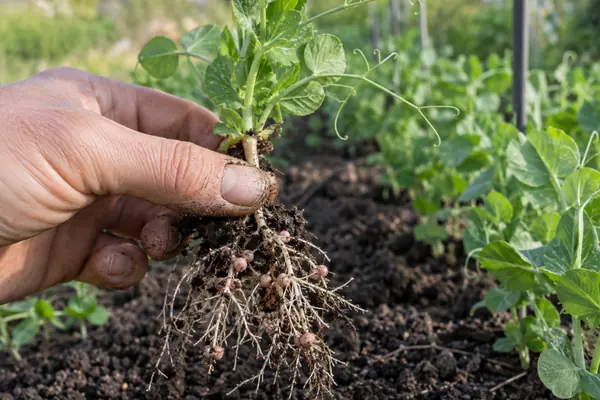
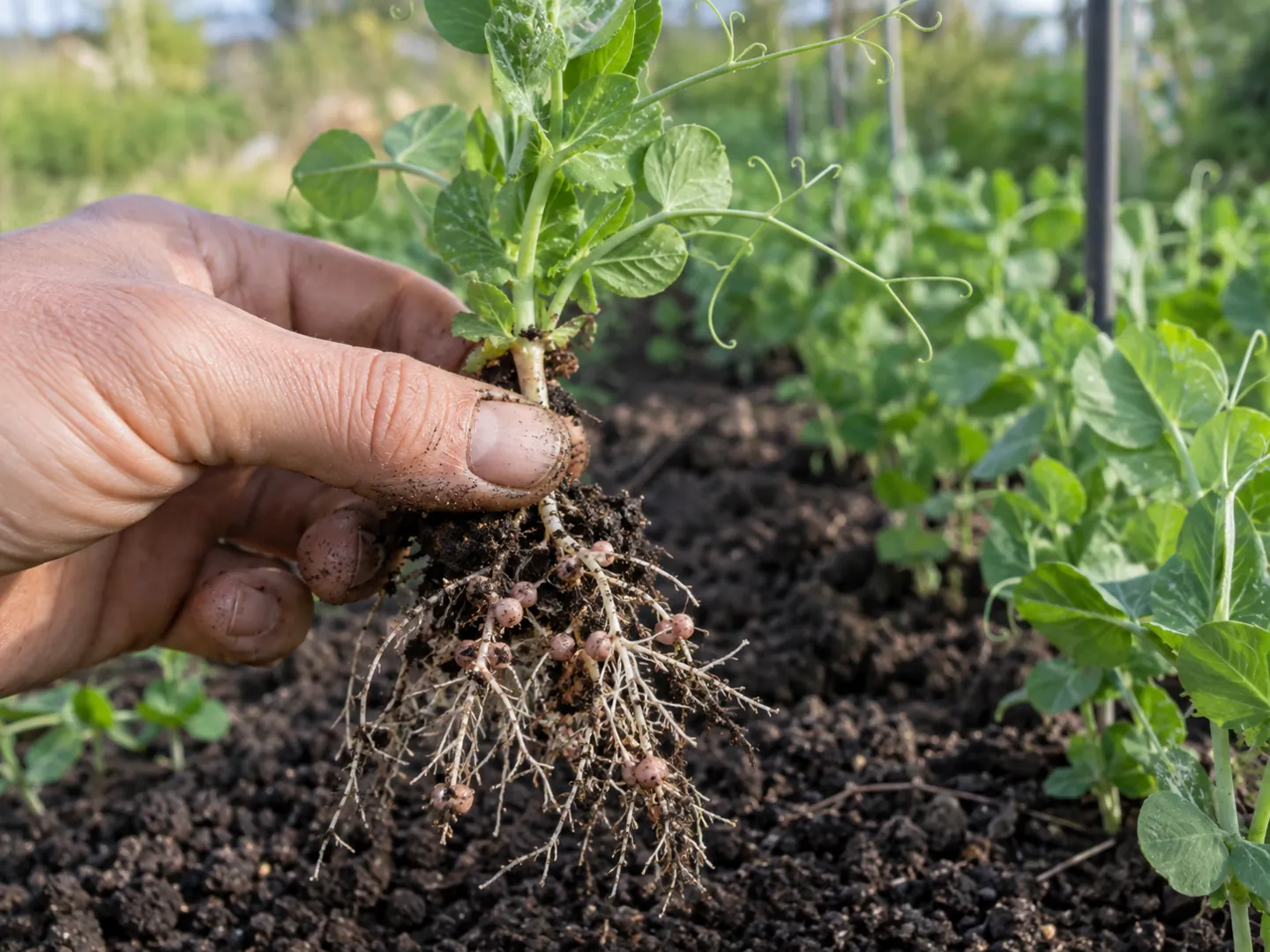
Legume roots often carry nodules of Rhizobium bacteria that turn inert nitrogen from the air into ammonia the plant can absorb.
How it works doodlefab.
THE PEA AND BEAN FAMILY
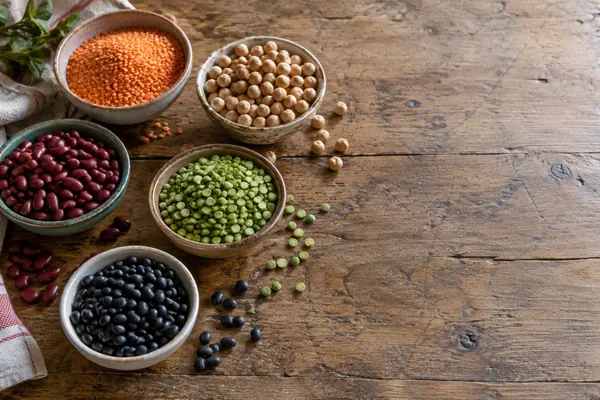
Peas, beans, lentils, chickpeas and peanuts are all relatives.
They belong to the Fabaceae, or legume family, the third largest family of flowering plants. Many of them have a rare trick: bacteria in their roots turn nitrogen from the air into food for the plant, which is why farmers and gardeners rotate them with other crops.
Check your portion Read the short answer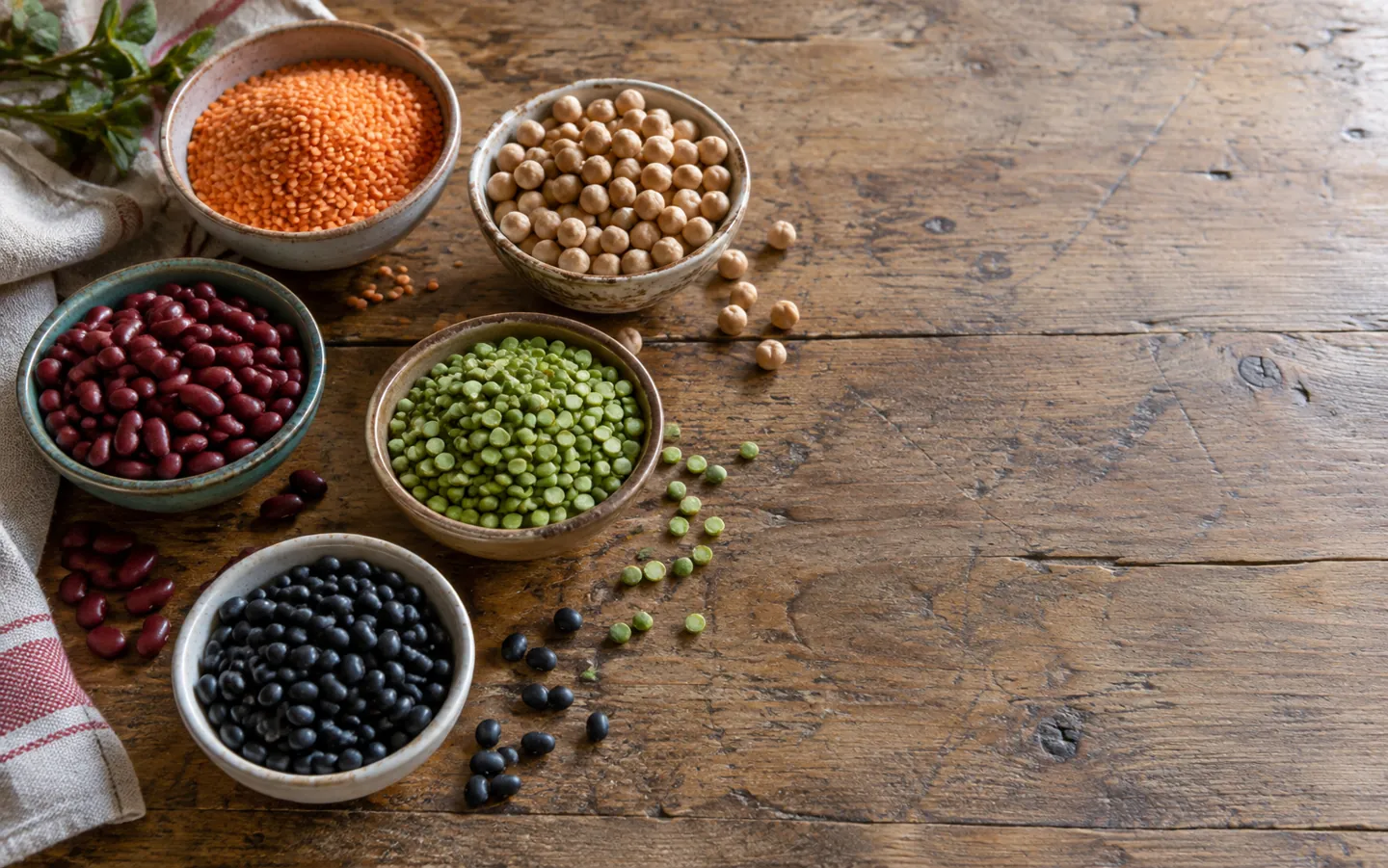
THE SHORT ANSWER
Legume is the plant family and its pod.
Pulses are the dry seeds we eat.
IN THE SOIL
Legume roots often carry nodules of Rhizobium bacteria that turn inert nitrogen from the air into ammonia the plant can absorb.
How it worksWHAT A PULSE IS
The FAO describes pulses as a sub-group of legumes harvested for their dry seeds: beans, chickpeas, peas and lentils are the best known.
See the numbersON THE PLATE
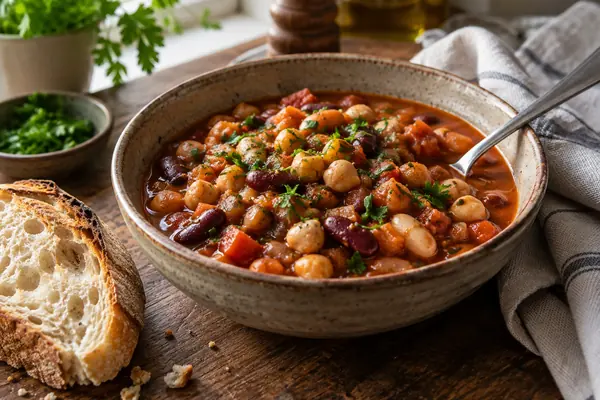
The NHS says 3 heaped tablespoons of beans or pulses is a portion, but however much you eat, they count as one portion a day at most.
Check a portionA QUICK PORTION CHECK
Pick a legume on your plate to see how NHS guidance counts it. The bar shows how much it adds to your 5 A Day.
Based on the NHS 5 A Day portion sizes guide for adults. This is general information, not personal medical or dietary advice.
TWO NUMBERS WORTH KNOWING
One figure on where legumes sit among plants,
one on how much counts on your plate.
PLANT FAMILIES · UNLV
Fabaceae's rank among flowering plant families
3<small>rd largest</small>
A University of Nevada, Las Vegas botany guide places the legume family behind only the daisy and orchid families, and second only to grasses in economic importance.
5 A DAY · NHS
Beans or pulses in one portion
3<small> heaped tbsp</small>
For baked beans, haricot, kidney, cannellini or butter beans, or chickpeas. They count as 1 portion of your 5 A Day at most.
The UN General Assembly designated 10 February as World Pulses Day, building on the FAO's International Year of Pulses in 2016.
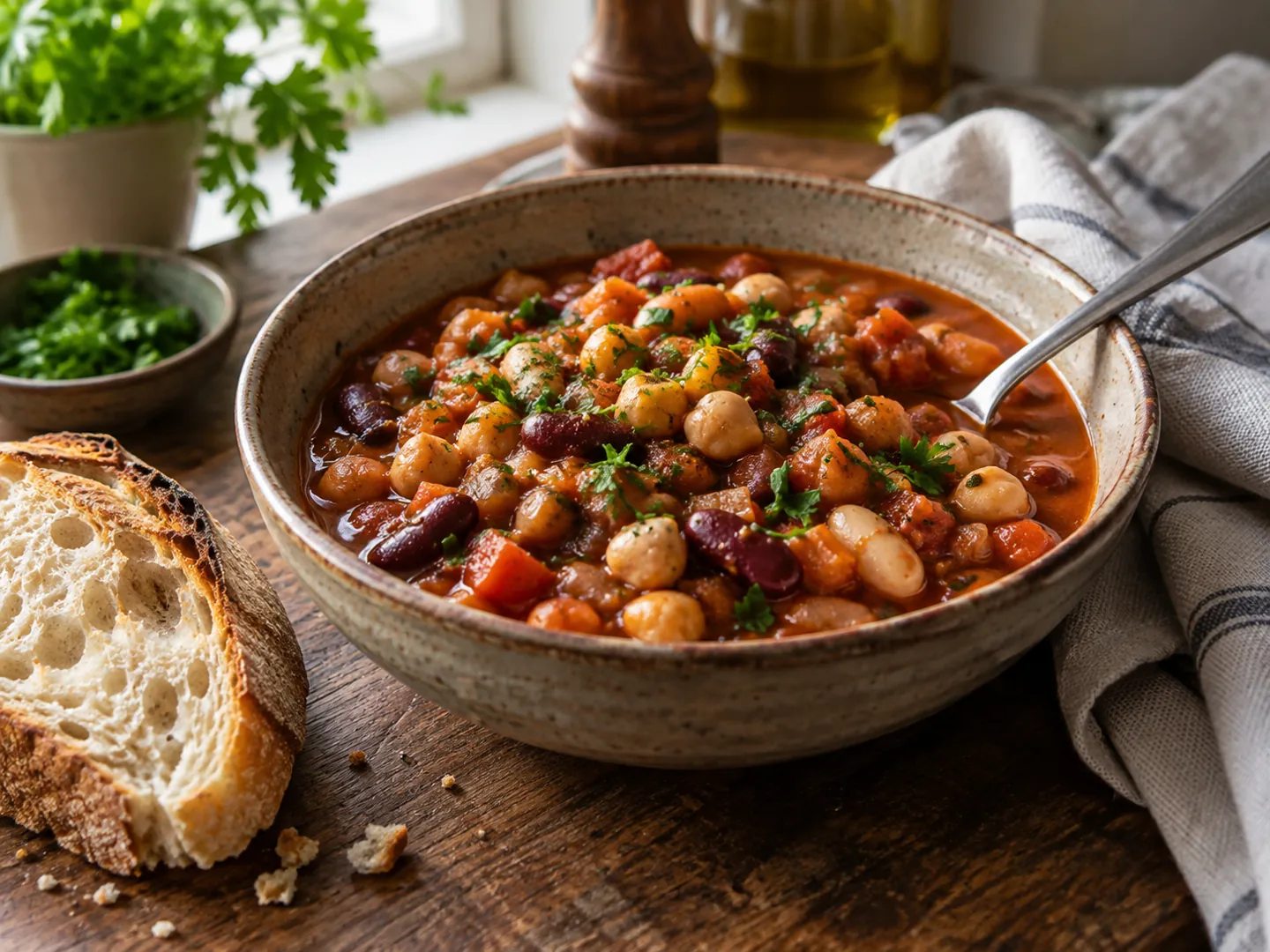
FOUR EASY WAYS IN
Official guidance and the botany point the same way: pulses are a cheap, long-lasting food, and legume plants help the soil they grow in.
THE NITROGEN TRICK
Plants need nitrogen, and the air is full of it, but most plants cannot use it in that form. Many legumes form a partnership with Rhizobium bacteria, which live in root nodules and convert atmospheric nitrogen into ammonia that the plant can absorb.
That is why legumes can colonise poor soils and why their seeds are rich in protein. The FAO says pulses fix nitrogen into the soil, improving soil fertility, and that including them in crop rotations can improve the efficiency of chemical fertiliser use.
QUESTIONS PEOPLE ASK
Legumes are plants in the pea and bean family, Fabaceae. The FAO describes pulses as a sub-group of legumes harvested for their dry seeds, such as beans, chickpeas, peas and lentils.
Yes. The UNLV botany guide lists the peanut, Arachis hypogaea, among the family's food plants, alongside soybean, lentil, pea, chickpea and common beans.
The NHS says 3 heaped tablespoons of baked beans is a portion. Like other beans and pulses, they count as a maximum of 1 portion a day however much you eat.
Legume roots host bacteria that fix nitrogen from the air. Rotating legumes with crops that deplete soil nitrogen helps maintain soil fertility.
The UN General Assembly designated 10 February as World Pulses Day, following the International Year of Pulses in 2016.
SOURCES
Each figure on this page comes from the sources below. Check them for the full detail and context.